


Useful Ideas and Fashion
A fashion tour of home habits around the world
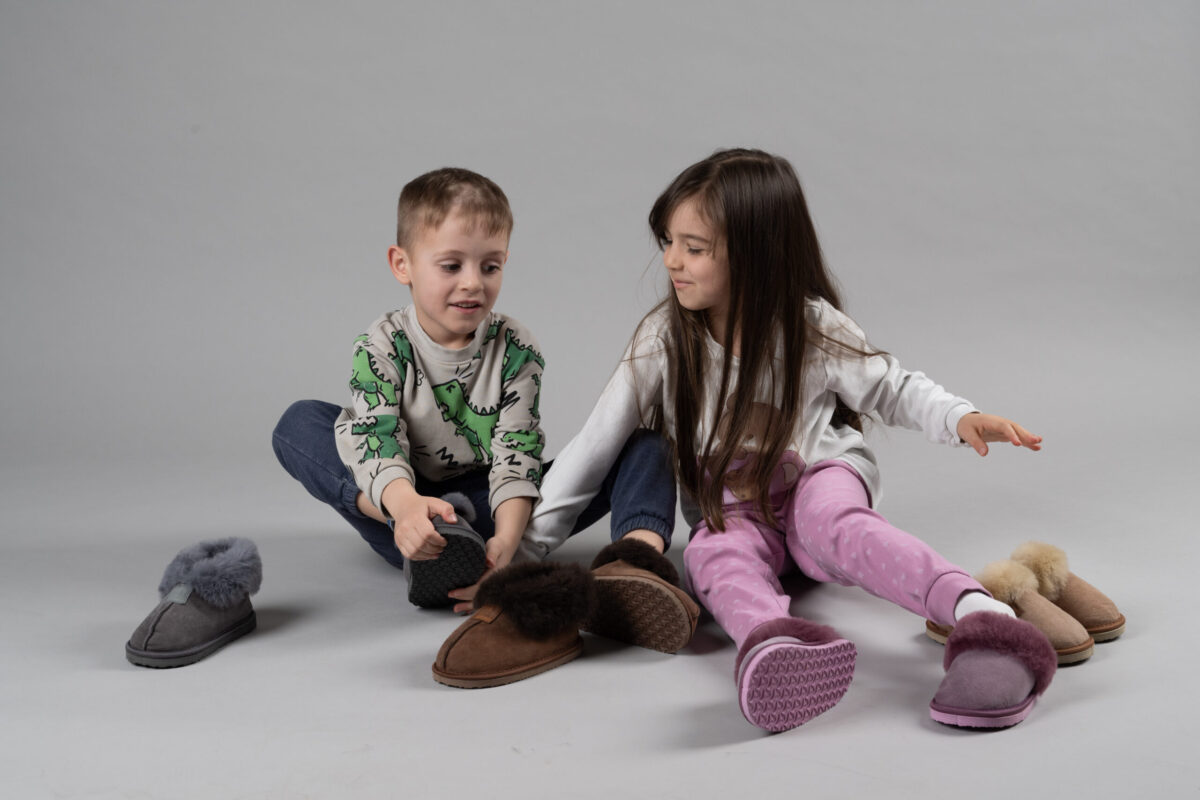
What do people around the world wear at home? A fashion stroll through the planet's home habits.
There is something magical about the moment you close the door behind you and the world outside feels distant, almost unreal. You take off your shoes, relax your shoulders and… what comes next? For some – fluffy slippers. For others – soft leather slides. And for others still – nothing at all.
Home footwear is a small but remarkably cultural gesture. It reveals habits, traditions, attitudes to cleanliness, hospitality and even social status. And if you're wondering what people around the world wear at home, let us take you on a light, sunny journey through different countries, homes and traditions.

Albania: the guest is king… and gets slippers
Imagine arriving at a home in Tirana. Before you've even said “Hello”, a pair of brand-new slippers appears at your feet. They aren't handed to you — they are placed for you. This is not a gesture of courtesy but an unwritten rule.
In Albania it is almost unthinkable for a guest to walk barefoot or in outdoor shoes in someone's home. Families keep whole collections of guest slippers, always ready for use. The tradition is so strong that it is seen as part of home etiquette and respect for the visitor.
Japan: slippers for every room — a true home philosophy
Japanese culture is known for its precision, rituals and respect for space. And this applies fully to home footwear.
In Japanese homes there are different slippers for different rooms. Some for the hallway, others for the living room, others for the bathroom. The tradition dates back to the Heian period (794–1185), when dividing spaces was part of a philosophy of cleanliness and harmony.
Entering a Japanese home in outdoor shoes is a cultural taboo. And stepping into the bathroom in your “living room” slippers is almost a sin.
China: shoes outside, calm inside
China also has a strong tradition of removing outdoor shoes when entering the home. Its roots go back to times when cleanliness was not just a hygiene norm but a symbol of respect for the home and family.
Home slippers are soft, comfortable and often made of fabric. They are part of a daily ritual of calm — a sign that the day outside is over and time to rest has begun.
The Middle East and North Africa: leather babouches — elegance at home
If you've ever held real babouches — those soft, leather, slightly pointed slippers — you know they are more than footwear.
In Morocco, Algeria and other countries of the region, babouches are traditional house slippers made of soft leather. They are part of cultural identity and are often worn not only at home but also on holidays.
Their history is ancient — Eastern civilizations used similar designs centuries ago as a symbol of comfort and status.
Europe: from royal salons to fluffy slippers
The European history of home footwear is surprisingly aristocratic.
In the 19th century, Prince Albert — the husband of Queen Victoria — popularized the modern house slipper in England. They were made of velvet, decorated with monograms and worn in royal salons as a symbol of refinement.
Today Europeans prefer comfort over etiquette. In northern countries fluffy slippers are almost a must in winter, while in southern regions people often go barefoot or wear light fabric slippers.
But the roots of European home footwear run deep — from ancient civilizations to modern homes.
Ancient Egypt: the first “house shoes” in history
If we go back about 4,000 years, we find the first predecessors of modern slippers.
In ancient Egypt people wore soft shoes intended for indoor spaces. They were made of plant fibers or leather and protected against hot sand and rough surfaces.
This early form of home footwear began a thousands-year-old tradition that we take for granted today — the feeling of comfort when we get home.

Scandinavia: warmth, coziness and “hygge” for your feet
In the Nordic countries home footwear is part of the philosophy of coziness.
In Norway, Sweden and Denmark people wear thick wool or felt slippers that keep in the warmth during the long winter months.
They are not just an accessory but part of the home atmosphere — that “hygge” moment when everything is warm, calm and beautiful.
USA: from status symbol to comfort symbol
In America, house slippers have had a curious evolution.
At first they were a sign of wealth — worn by the aristocracy and made of expensive materials. But over time they became a mass product, a symbol of comfort and relaxing at home.
Today Americans wear everything — from plush slippers to rubber slides. But the idea stays the same: at home, feet should feel free.
What does the world tell us about home footwear?
When we look at all these traditions, we see something beautiful: people around the world have different habits but a shared wish — to feel good at home.
Home footwear is a small but important detail of everyday life. It is a symbol of hospitality in Albania, respect for space in Japan, cleanliness in China, elegance in Morocco, coziness in Scandinavia and comfort in America.
And although they seem small, these habits reveal a lot about culture, history and the way people around the world see home.

Next time you come home…
…look down at your slippers, slides or bare feet.
They are part of your personal ritual — a small gesture of freedom, coziness and belonging.
And if one day you find yourself in a home in Tirana, Tokyo or Morocco, remember: what you wear on your feet is part of the world's cultural magic.